
May 7, 2026


Challenge
Mathnasium UK were growing quickly but lacked a clearly defined, data-driven territory structure to support national expansion. Their key ambitions included:
Understanding where viable markets existed based on up-to-date demographic data.
Aligning territory design with real franchise performance expectations.
Ensuring franchisees had clearly defined territories that reflected market potential.
Avoiding bespoke territory negotiations that slow recruitment and growth.
To achieve this, Mathnasium UK needed a robust, replicable approach to defining territory criteria, testing those criteria, and visualising the results in practical franchise territories.
We partnered with Mathnasium UK across three core phases to build a fully defined, data-backed territory network and provide strategic insight into market opportunities.

Solution Phase 1 - Analysis & Consultation
We began with a deep analysis of both internal and external data sources:
Customer and sales data from Mathnasium UK’s existing network.
The most recent census and demographic data applicable across the UK.
From this analysis, we:
Calculated key metrics such as Average Annual Customer Value and market penetration within identified analysis areas.
Created custom analysis areas based on clusters of customer data.
Compared current performance against franchise expectations to understand the gap between where Mathnasium UK was and where they want to be.
Reverse-engineered the demographic criteria needed to support sustainable territories.
Solution Phase 2 -Territory Mapping
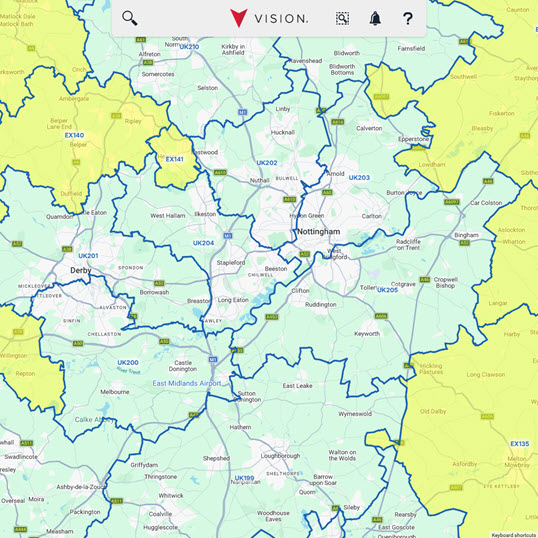
Once we’d agreed the criteria in the analysis phase, we set about building a full national territory map for Mathnasium UK. The core structure was based on the data, but we didn’t treat the boundaries as something that had to be followed blindly. Instead, we refined them using a bit of common sense—looking at how communities actually function, how people travel, and where natural breaks in geography occur. This meant we avoided creating odd, cut‑off areas that looked fine on paper but wouldn’t work in real life. Alongside the main territories that hit over 90% of the criteria, we also identified expansion areas that sat just outside the core thresholds but still offered solid potential.
The final map gave Mathnasium UK a clear, practical framework for growing the network. It made franchise recruitment smoother, helped future franchisees feel confident about the commercial strength of their patch, and cut down on long back‑and‑forth discussions about where boundaries should sit. Most importantly, this stage confirmed how many territories the brand could realistically roll out across the UK, giving everyone a solid foundation for planning the next steps.
Solution Phase 3 -Market Grading
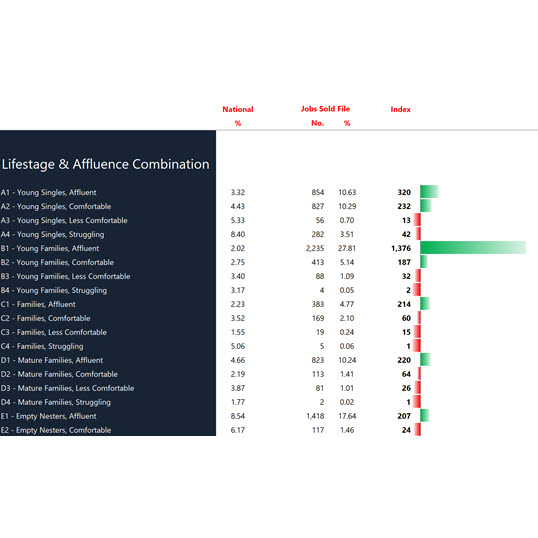
To support longer‑term planning, we built a market‑grading model that helps highlight which areas should be top priorities for Mathnasium UK. It pulls together a mix of indicators—like the age profile and density of key student groups, the level of local competition, and other demographic factors that matter to the brand’s strategy. By blending these inputs, the model gives a much clearer picture of which territories naturally rise to the top.
The output is easy for teams to use day‑to‑day. Each territory gets a simple attractiveness score, along with a heatmap that shows where recruitment efforts are likely to pay off fastest. Because the model plugs neatly into internal systems, everyone can quickly see which markets offer the strongest opportunities, making planning and decision‑making far more focused and efficient.
Results
Increased number of franchise territories that can be sold. Significantly increasing the overall scale of the business.

More informed franchisee negotiations and guiding them into the ideal opening locations.

A clear plan of exactly which territories to aim to sell first and what the 5 year growth plan will look like.

The benefits of using Atlas Mapping for Mathnasium


Data-driven decisions


Can see their potential


More profitable franchisees


Closer teamwork


Faster network growth


Larger franchise network


.svg)